
TOX - AEME 2025
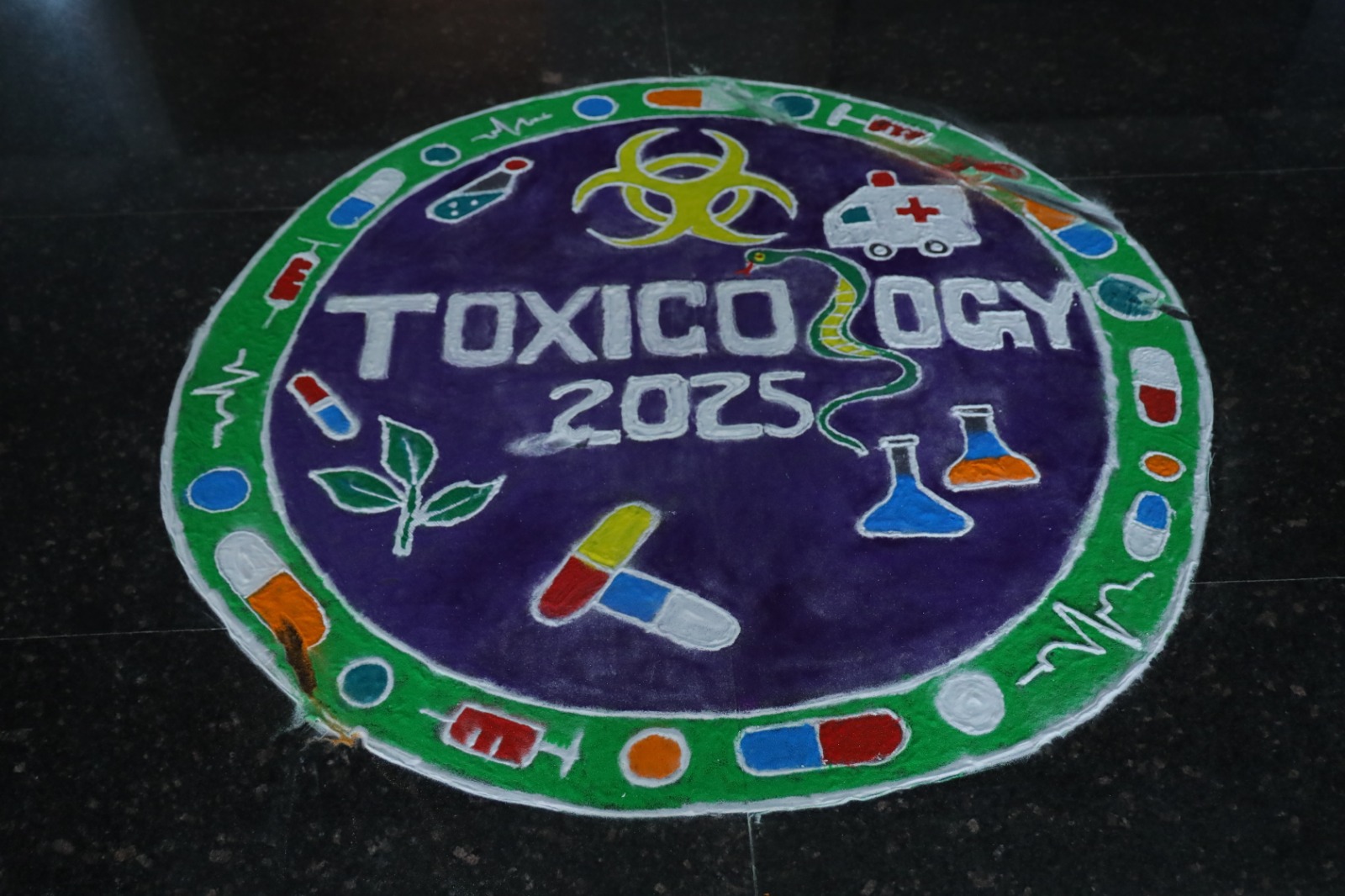
The rising incidence of poisoning, envenomation, drug overdose, and environmental toxic exposures has highlighted the urgent need for specialised training in Medical Toxicology, particularly within Emergency and Critical Care Medicine. In this context, the Telangana Emergency & Critical Care Toxicology Conference 2025 marks a historic milestone as the first dedicated toxicology conference ever conducted in the state of Telangana, signifying a major step forward in structured toxicology education and capacity building.
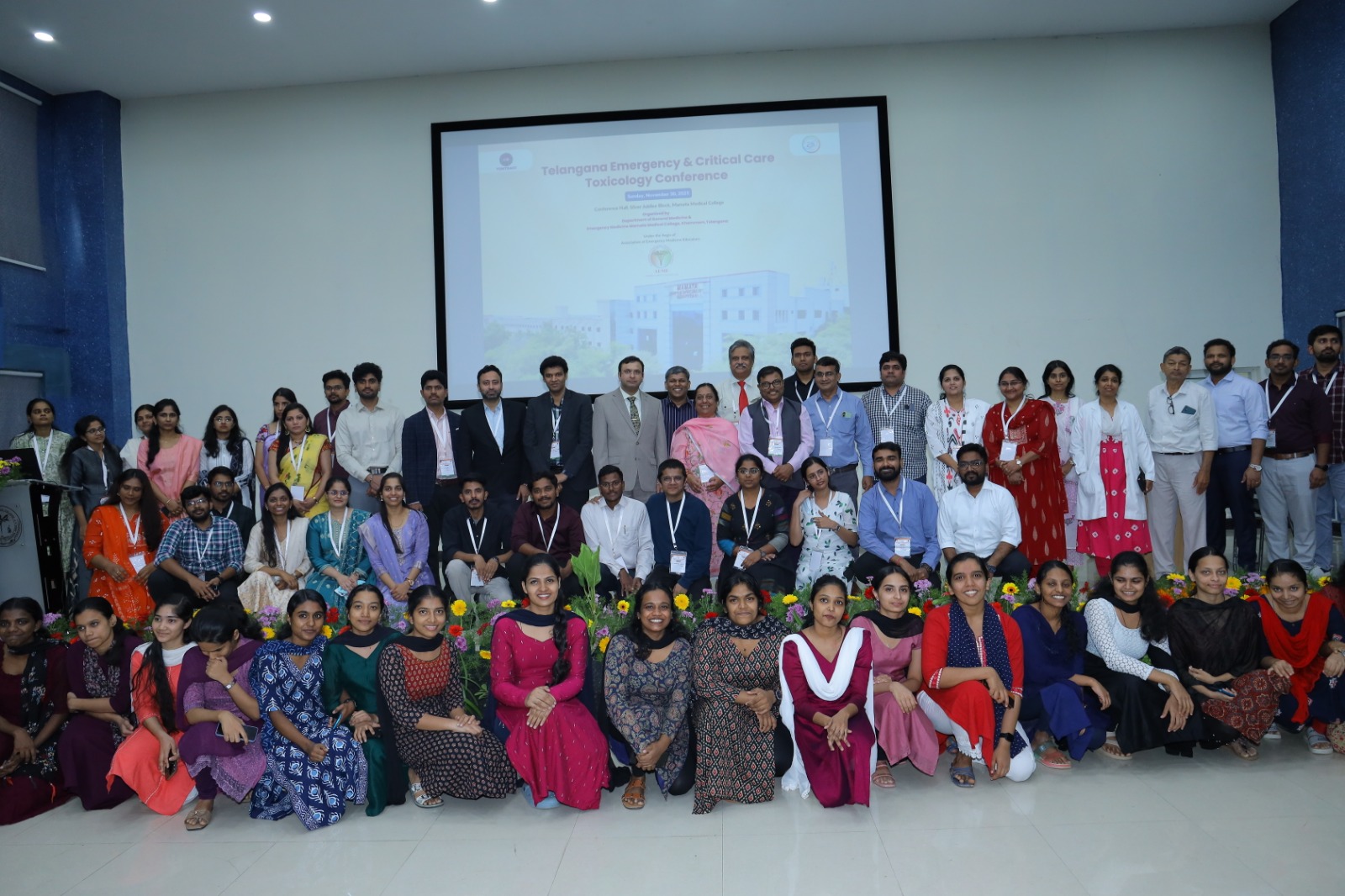
The Telangana Emergency & Critical Care Toxicology Conference 2025 (TEMTRACC 2025) was successfully conducted on Sunday, 30th November 2025, at the Conference Hall, Silver Jubilee Block, Mamata Medical College, Khammam, Telangana. The conference was organised by the Departments of General Medicine and Emergency Medicine, Mamata Medical College, under the aegis of the Association of Emergency Medicine Educators (AEME).
The conference aimed to strengthen clinical competence, promote evidence-based practice, and enhance preparedness in the management of toxicological emergencies encountered in emergency and critical care settings. The event witnessed enthusiastic participation from emergency physicians, intensivists, general physicians, postgraduate students, and allied healthcare professionals from across Telangana and neighbouring states.
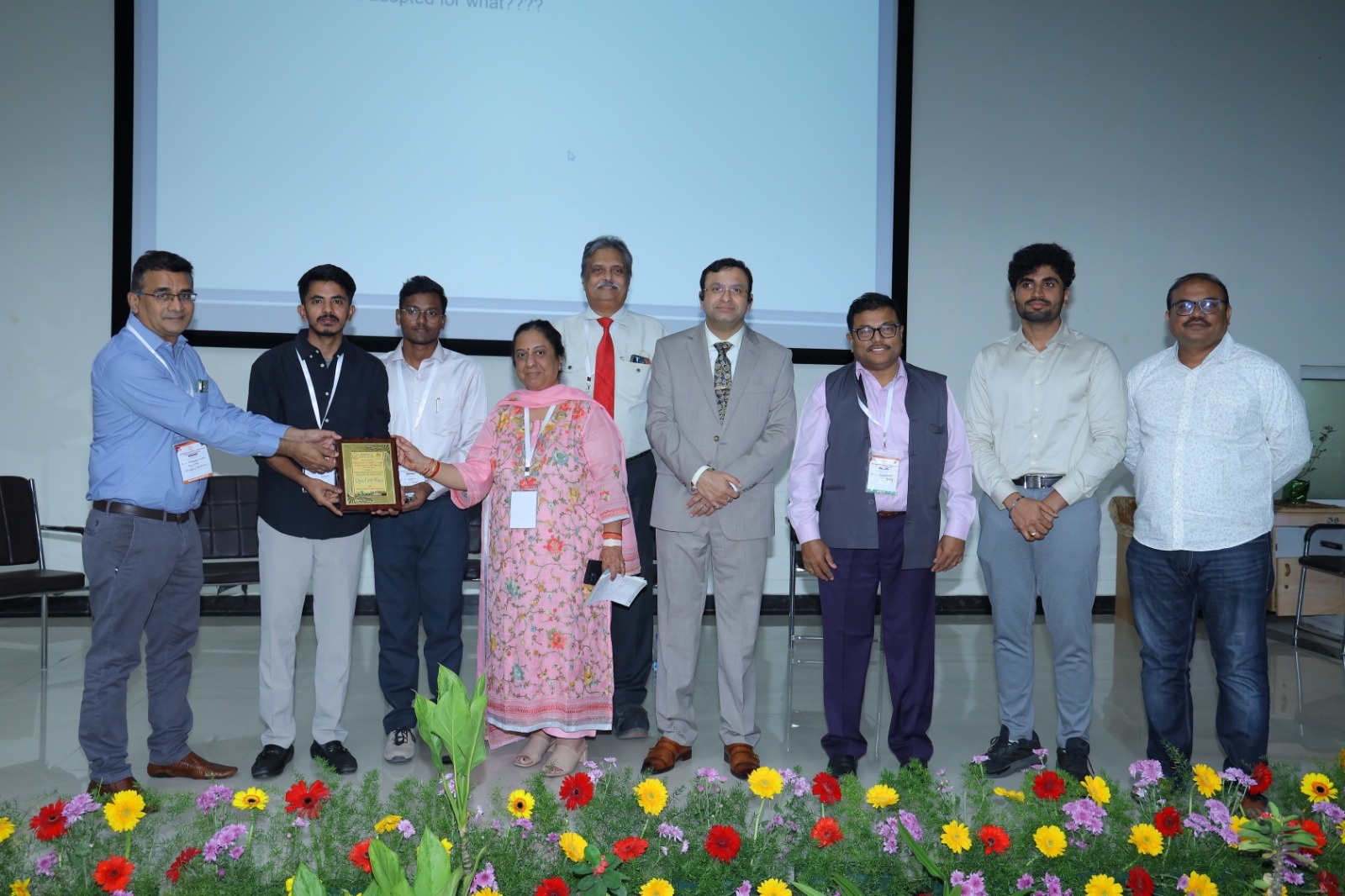
Inauguration and Scientific Sessions
The scientific programme commenced with registration and breakfast, followed by a series of well-structured academic sessions. The inaugural session marked the formal opening of the conference, setting the tone for a day of focused academic deliberations and knowledge exchange.
The scientific programme was divided into multiple thematic sessions covering a wide spectrum of toxicological emergencies. Topics included snakebite management in the Indian context, organophosphate poisoning, paracetamol overdose, bites and stings, salicylate poisoning, alcohol and toxic alcohol exposure, paraquat poisoning, and renal replacement therapy in toxicology. Emphasis was placed on current guidelines, evolving evidence, and practical bedside decision-making.
Special sessions were dedicated to practical approaches in the emergency department, including toxicological decontamination, rapid recognition of toxidromes, ECG and ABG interpretation, and imaging in toxicology. These sessions provided actionable insights applicable to real-world emergency care
Panel Discussions and Academic Participation
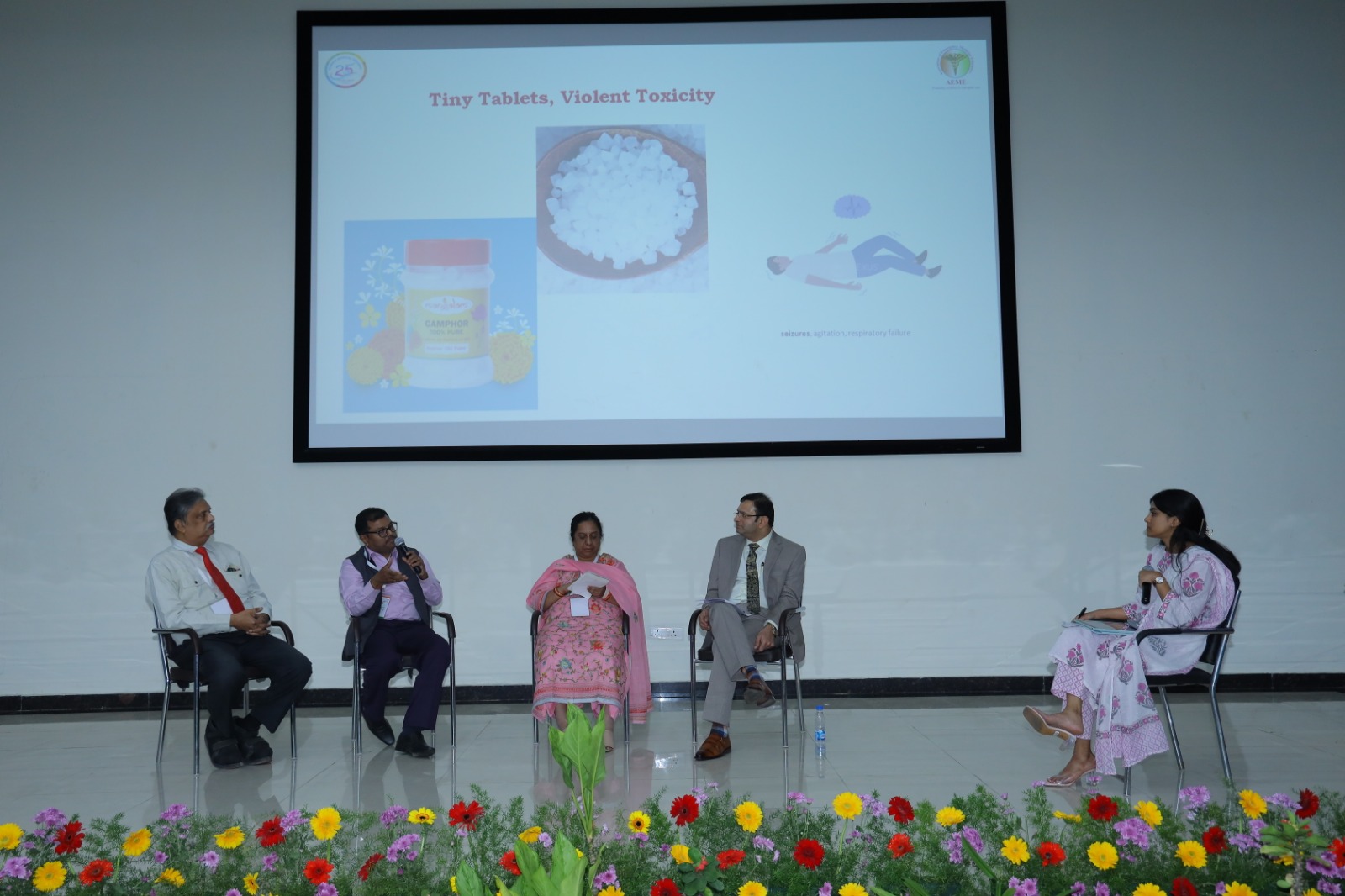
A highlight of the conference was the case-based panel discussion titled “When the Poison is Unknown”, which facilitated interactive learning and critical thinking among participants. The discussion underscored the importance of systematic assessment, pattern recognition, and multidisciplinary collaboration in undifferentiated poisoning cases.
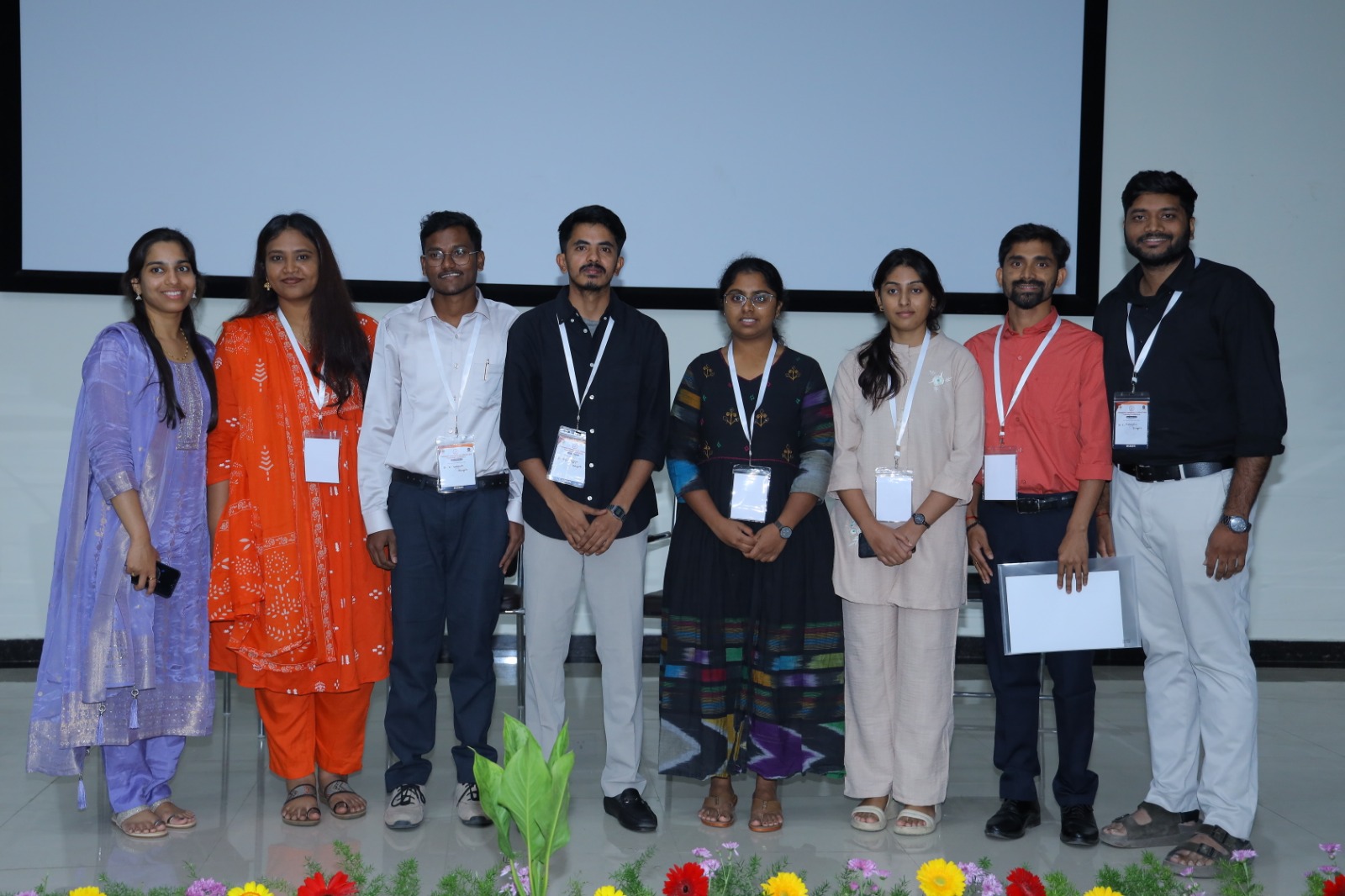
The conference also featured paper and poster presentations, encouraging academic participation and showcasing original research, case reports, and innovative approaches in toxicology. These sessions provided a valuable platform for postgraduate students and young faculty to present their work and engage with experts.
Faculty and Expertise
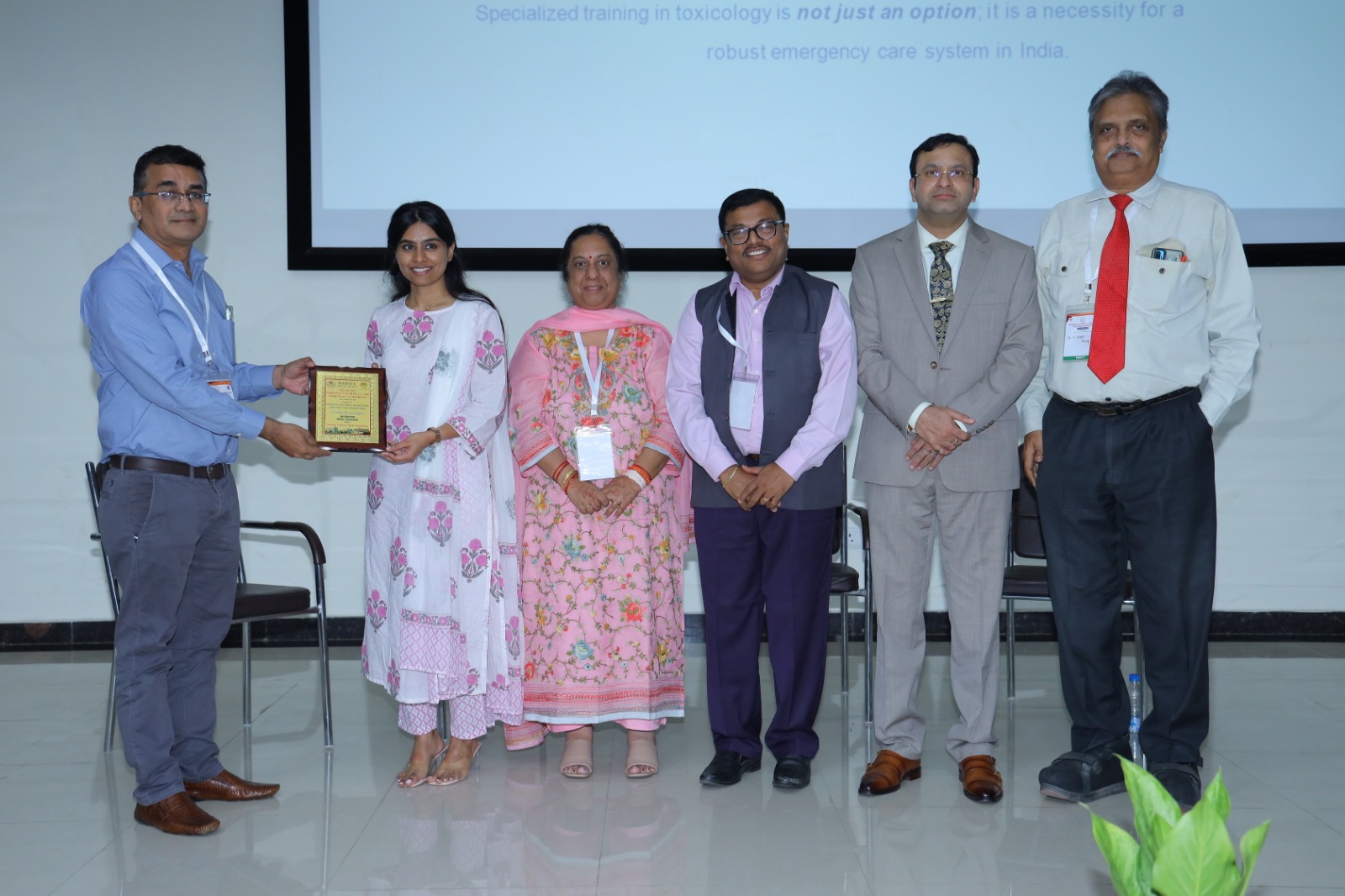
TEMTRACC 2025 was enriched by the presence of eminent national and international faculty, including experienced clinicians, academicians, and toxicologists. The sessions on toxicology fellowships and career pathways highlighted opportunities for structured training and capacity building in Emergency and Critical Care Toxicology in India and abroad.
The conference proceedings began with registration and breakfast, followed by a series of thematic academic sessions delivered by experienced national and international faculty.
Summary
The conference schedule ensured balanced coverage of foundational knowledge, practical emergency approaches, advanced management strategies, and fellowship opportunities, making the programme highly relevant, interactive, and academically enriching for all participants.Top of FormBottom of Form
Indian Scenario
In India, toxicology training has traditionally been embedded within the domains of Emergency Medicine, General Medicine, and Critical Care, often without formal specialization. However, the growing complexity and volume of toxicological emergencies have led to the gradual emergence of dedicated fellowship programmes in Emergency and Critical Care Toxicology.
Indian fellowship programmes emphasize:
- Management of high-volume, region-specific toxic exposures such as pesticide poisoning, snakebite, scorpion sting, and pharmaceutical overdoses
- Cost-effective, protocol-driven care suited to resource-variable settings
- Hands-on experience in emergency departments, intensive care units, and poison management units
- Integration of toxicology with critical care, nephrology (RRT), and public health perspectives
These fellowships are instrumental in strengthening toxicology expertise at district hospitals, medical colleges, and tertiary care centers, thereby improving patient outcomes and standardizing care across the country.
The Telangana Emergency & Critical Care Toxicology Conference 2025 successfully achieved its academic objectives by delivering a comprehensive, clinically relevant, and engaging scientific programme. The conference fostered knowledge sharing, skill enhancement, and professional networking, reinforcing the importance of preparedness and evidence-based management in toxicological emergencies.
The organising committee expresses sincere gratitude to the management of Mamata Medical College, the Association of Emergency Medicine Educators, the distinguished faculty, and all participants for their invaluable support and active involvement. This conference stands as a significant academic milestone in advancing Emergency and Critical Care Toxicology education in Telangana.